

Ash Manor Blog
Personal Development Day – Learning Beyond the Classroom
From spaghetti towers and teamwork challenges to powerful personal stories and mock job interviews, our latest Personal Development Day was packed with opportunities for students to learn, reflect, challenge themselves and prepare for the future.
Across the school, students stepped away from their usual lessons to take part in a diverse programme of activities tailored to their year group. From building positive friendships and navigating the online world, to exploring personal safety, relationships and future careers, the day focused on developing the knowledge, confidence and skills that will help our students both inside and outside the classroom.
It was fantastic to see students embracing new experiences, engaging in thoughtful discussions and demonstrating maturity and enthusiasm throughout the day.
Year 7 – Friendships and Team Building
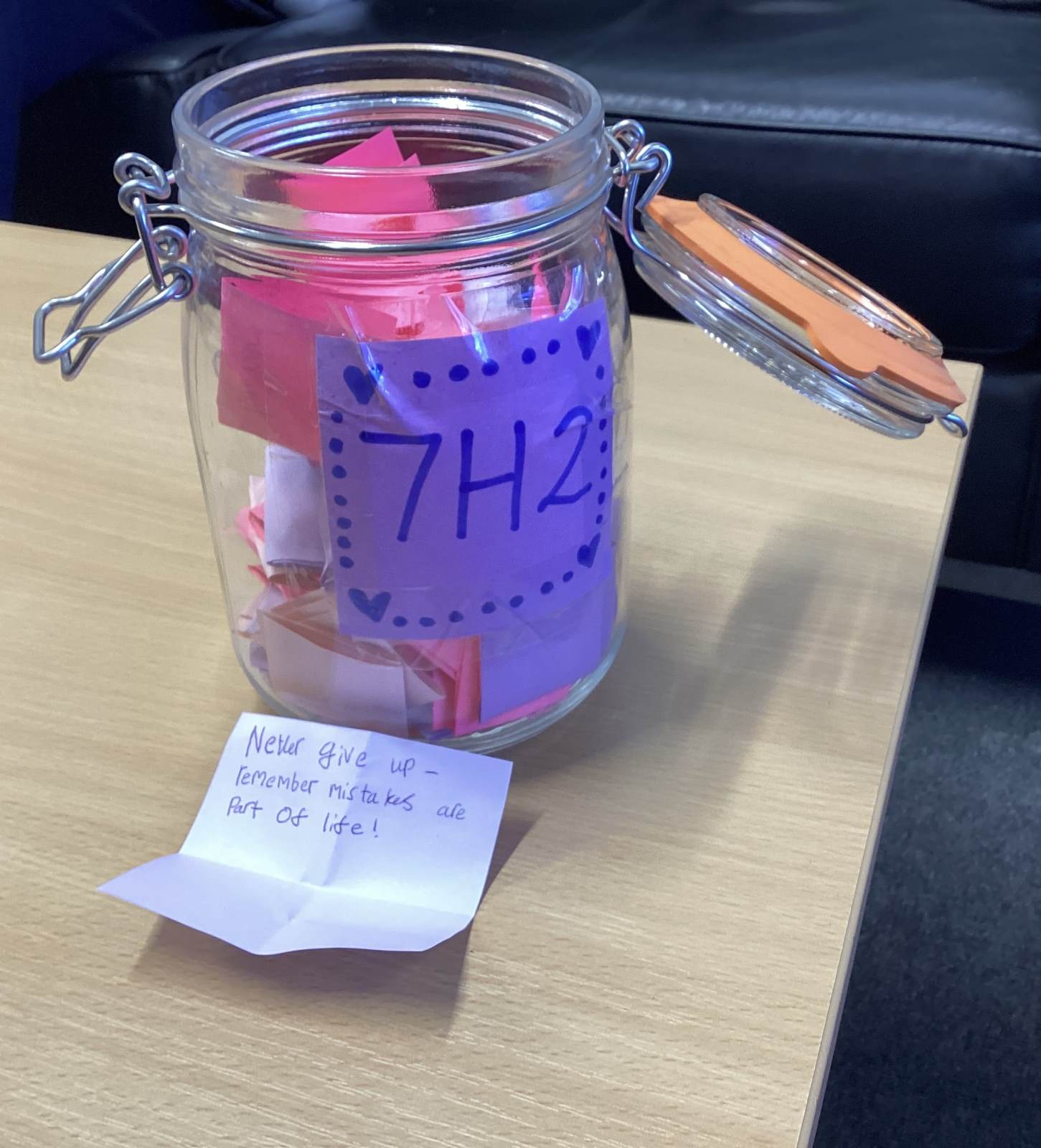
Our Year 7 students focused on friendships, teamwork and building positive relationships. They explored the importance of communication, confidence, resilience and understanding their emotions, while also considering how to manage disagreements positively and develop healthy habits.
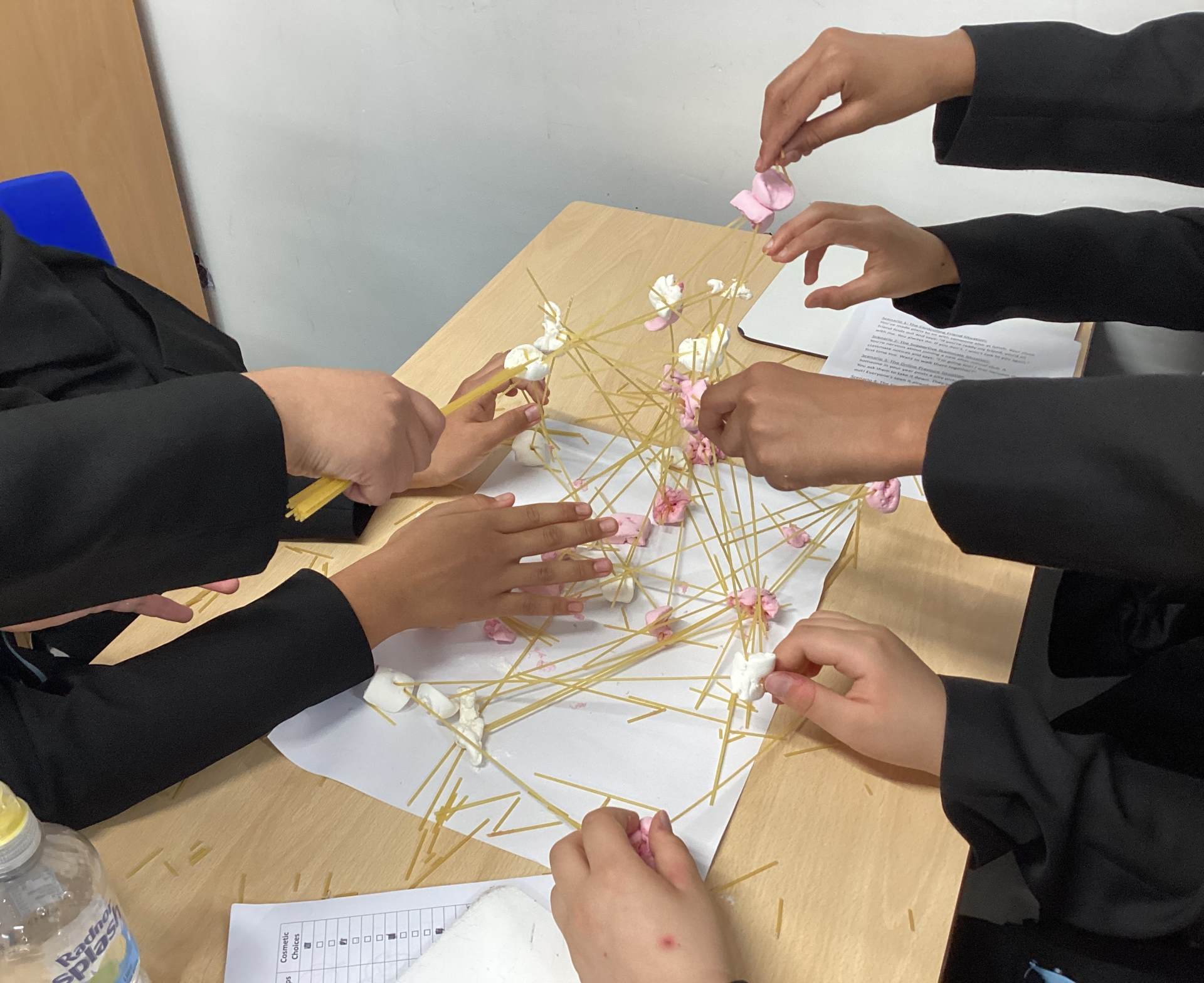
A particular highlight was the spaghetti tower challenge! Working in teams, students had to communicate, collaborate and problem-solve to create their towers. There was plenty of creativity, laughter and healthy competition, with students quickly discovering that successful teamwork requires everyone to play their part.
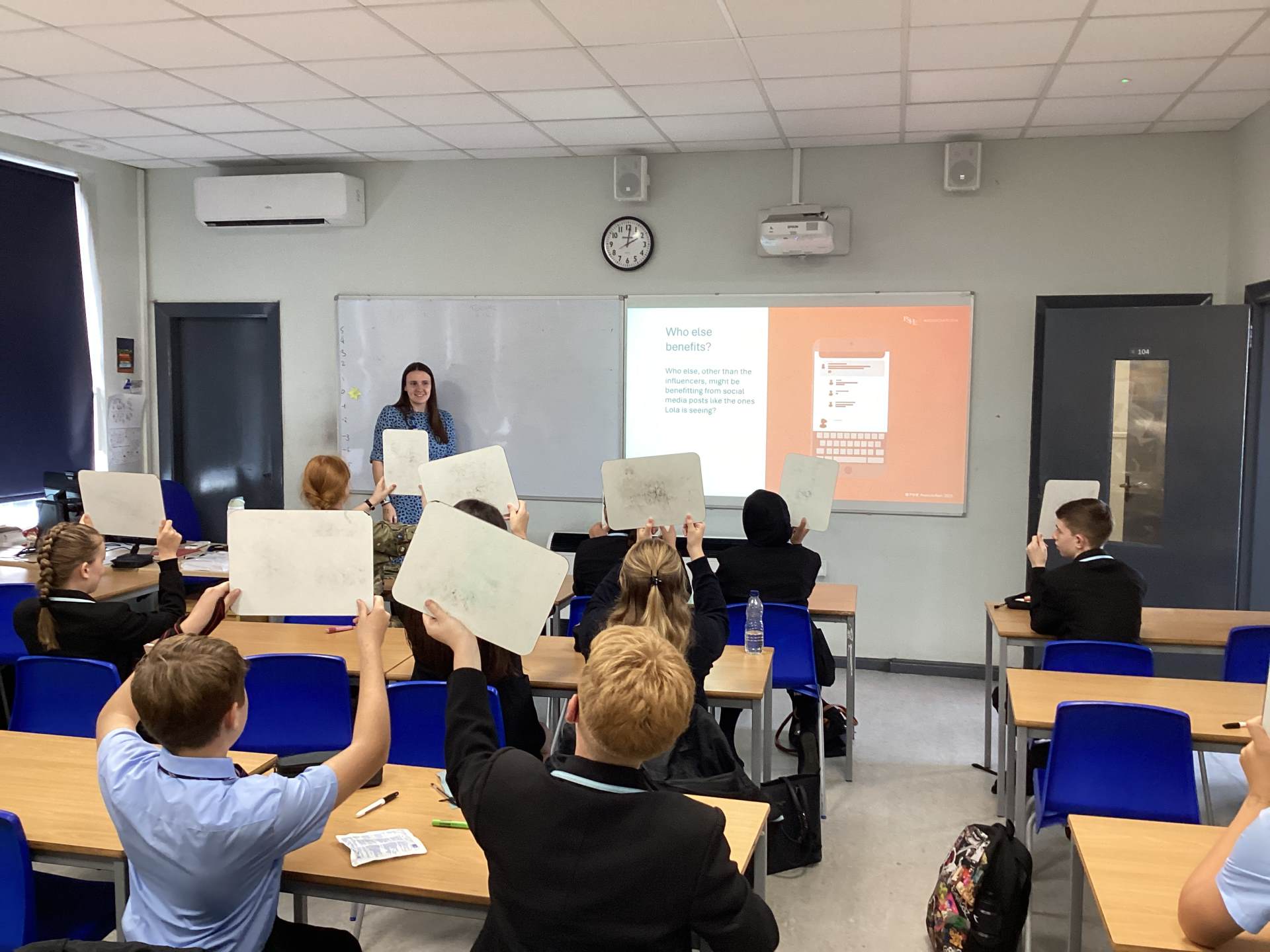
Year 8 – Online Behaviours and Social Media
Year 8 turned their attention to the digital world, exploring how to stay safe and responsible online and how to build positive and respectful relationships through social media and other online platforms.
Students considered how social media and online content can affect wellbeing, as well as developing their ability to think critically about what they see and hear online. They also reflected on the importance of maintaining healthy and balanced online habits.
Year 9 – Personal Safety, Knife Crime and Gang Culture
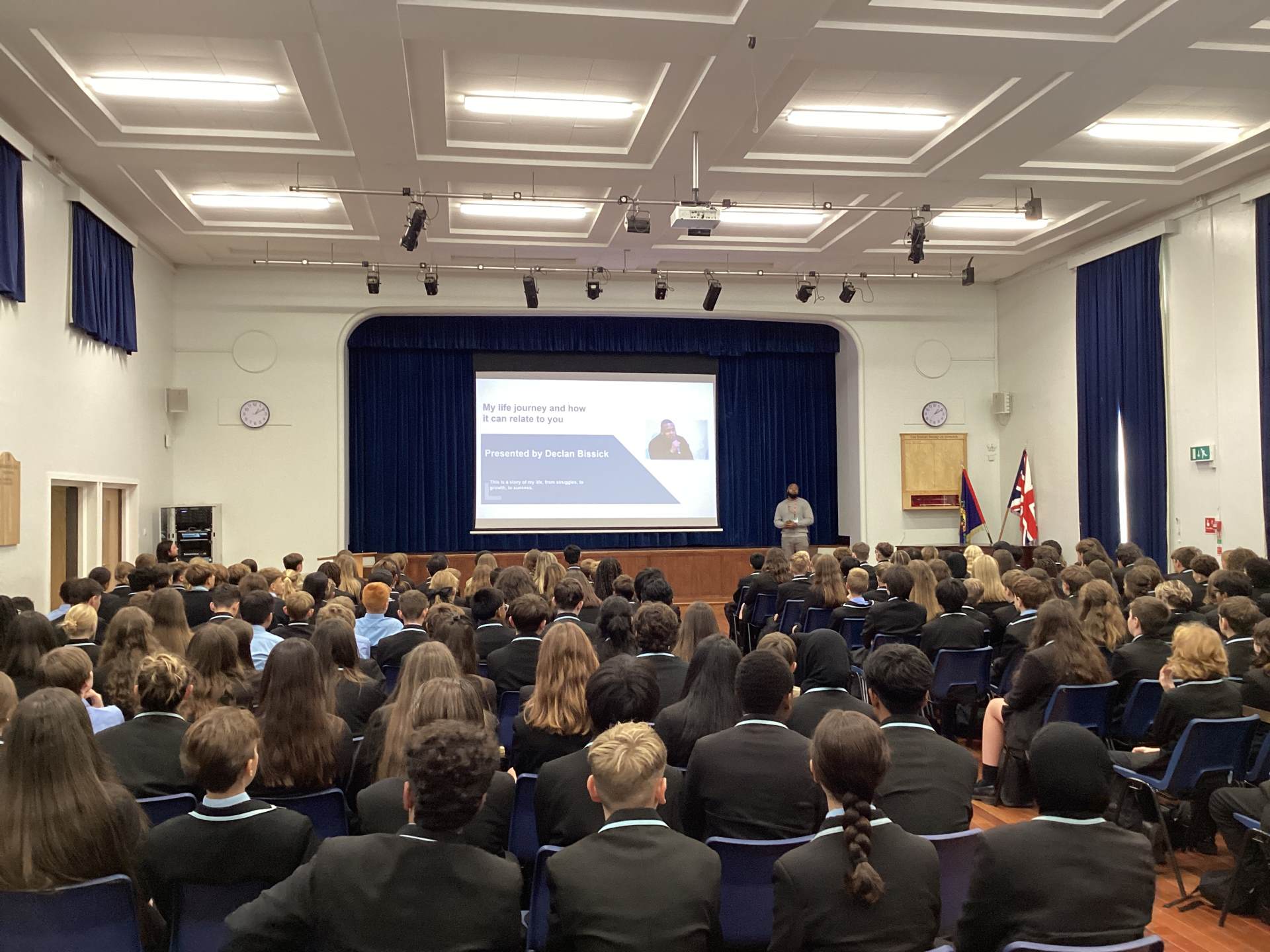
Year 9 took part in a day focused on personal safety, making positive choices and understanding the risks associated with crime, violence and exploitation.
Students explored how to recognise potentially unsafe situations, manage peer pressure, deal with conflict and identify where they can turn for help and support.
One of the day's most powerful moments was hearing from an external speaker who shared their personal journey away from a life involving gangs and crime. Their first-hand experiences gave students a valuable opportunity to consider the consequences of choices and the importance of seeking positive opportunities and support.
Year 10 – Relationships, Sexual Health and Wellbeing
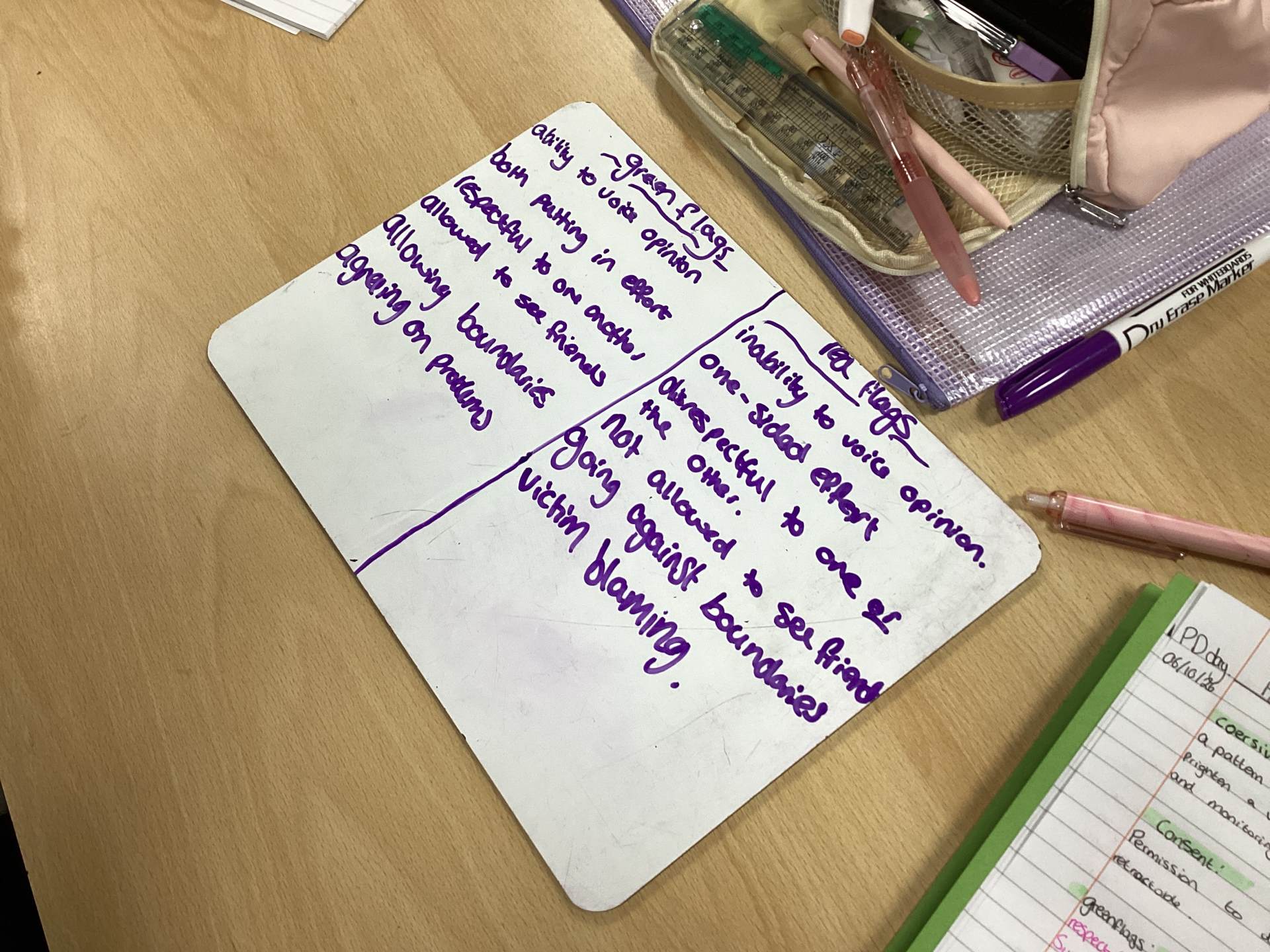
Year 10 took part in learning around relationships, personal wellbeing and making safe, informed and responsible choices.
Students explored themes including respect, communication, personal boundaries and consent, as well as considering how relationships can change and how to respond to challenging situations. They also considered personal safety, both online and offline, and the importance of recognising when behaviours may be unhealthy or harmful and knowing where to seek appropriate support.
The maturity, enthusiasm and thoughtful approach demonstrated by our Year 10 students throughout the day was particularly pleasing to see.
Year 11 – The Big Interview
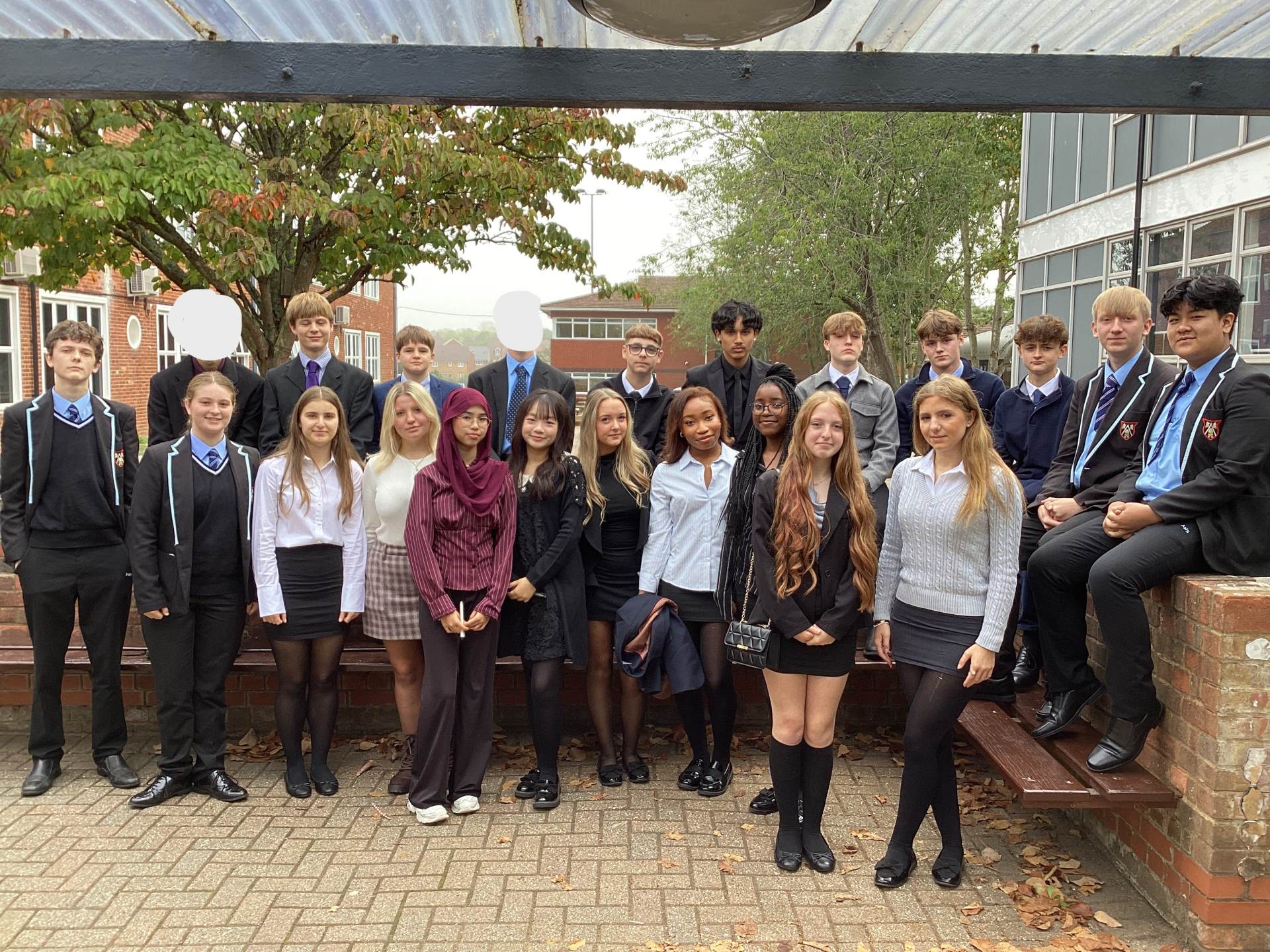
For our Year 11 students, the day was all about preparing for the future with The Big Interview.
Students explored their strengths, skills, interests and aspirations, while developing important employability skills such as communication, presentation and leadership. They also considered how the world of work is changing, including the growing influence of technology and AI, and how their own skills and interests might shape their future choices.
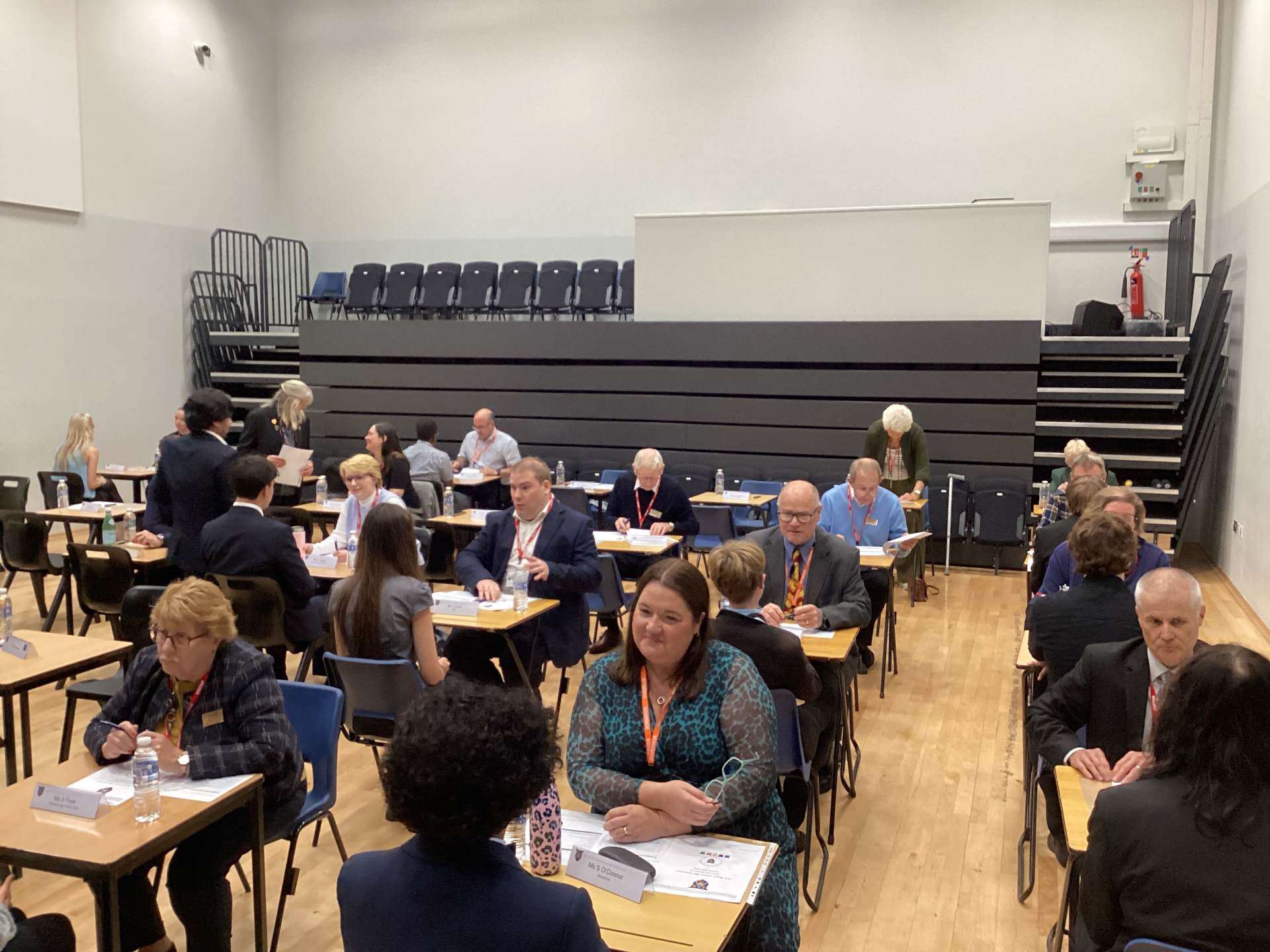
The highlight of the day was undoubtedly the mock interviews. Students dressed in professional attire and were interviewed by members of the local community, including businesspeople and other professionals. This provided a fantastic opportunity to experience what an interview might really feel like, receive feedback and practise communicating their strengths and aspirations.
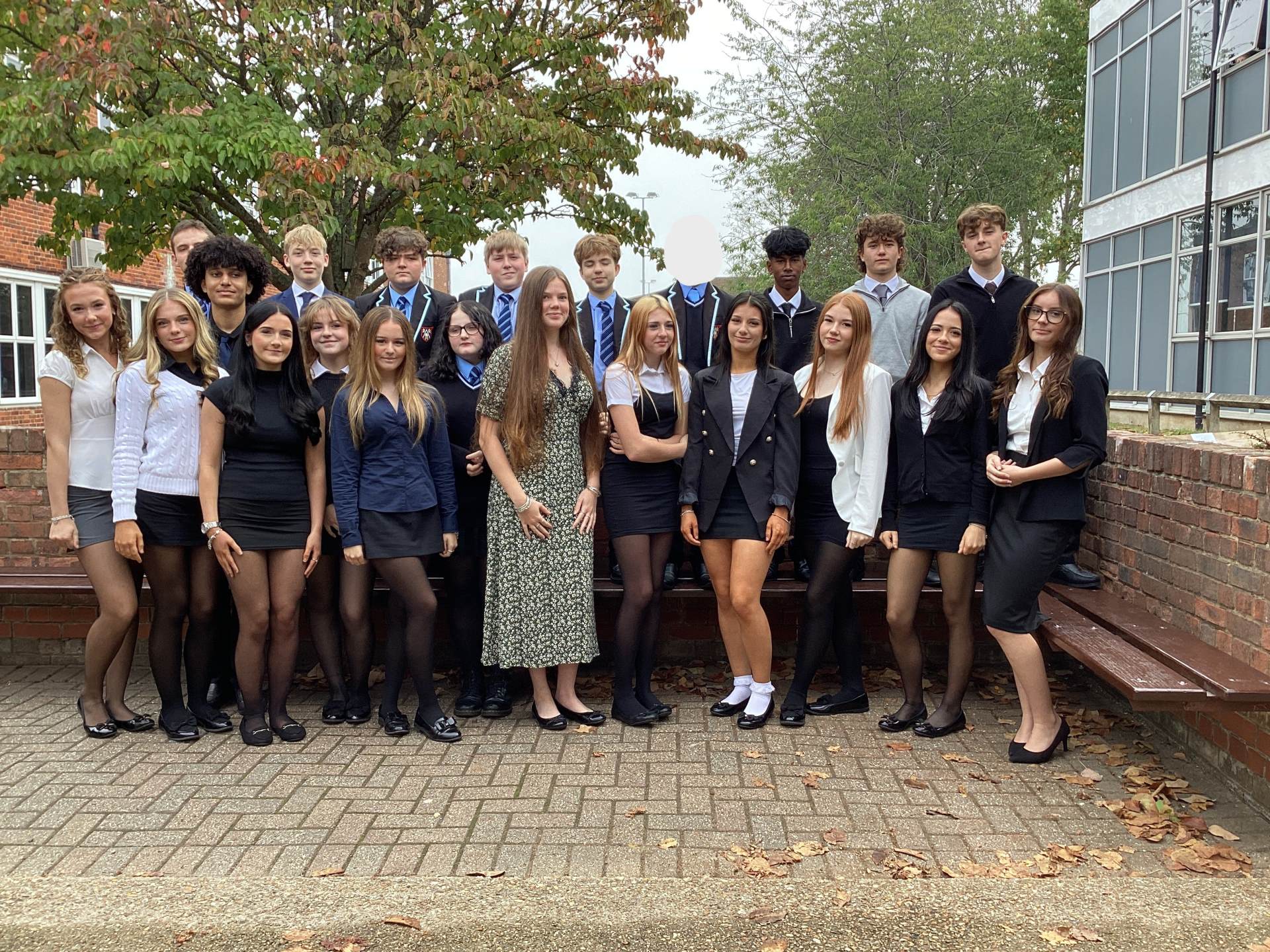
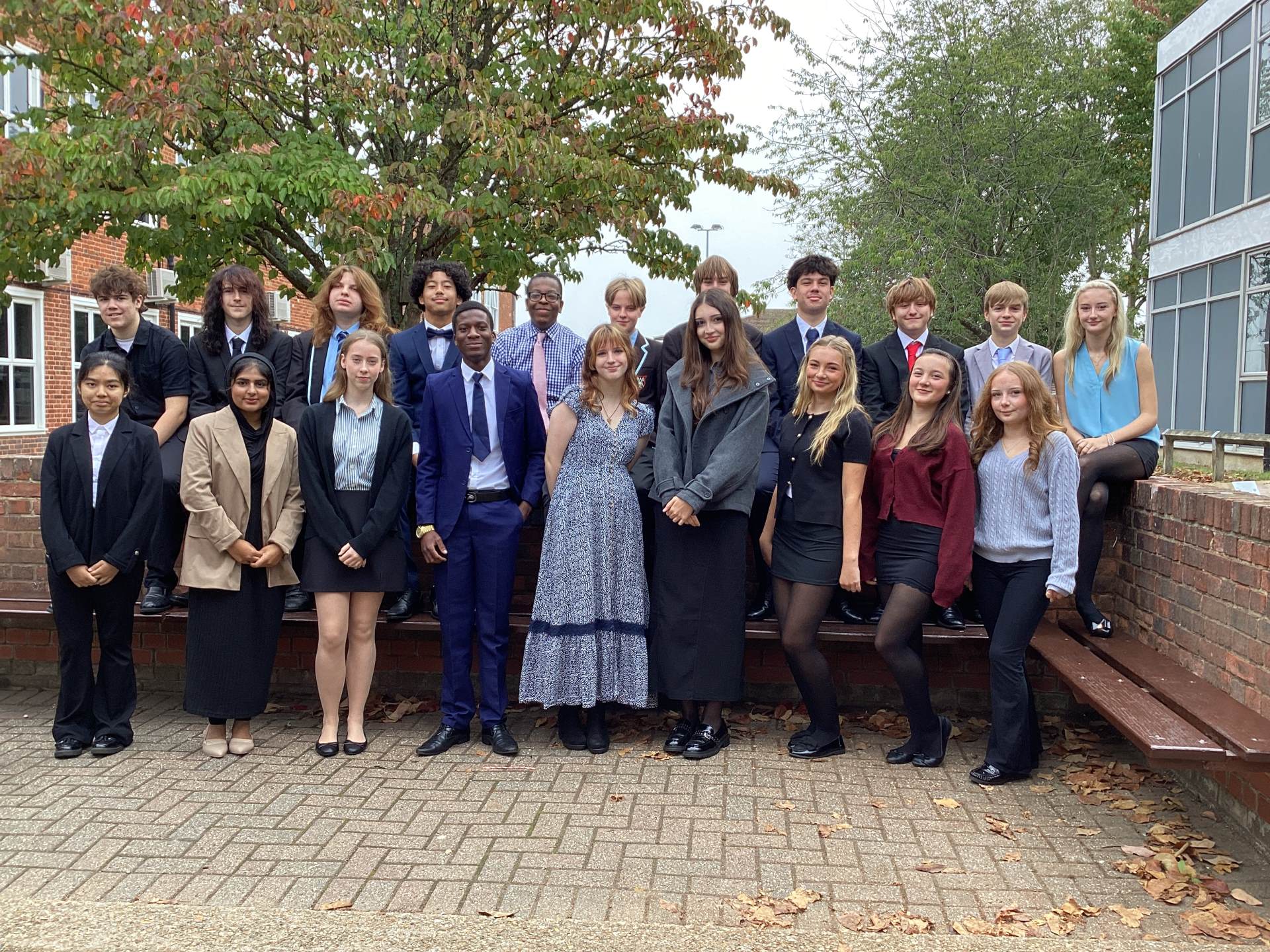
A fantastic day of personal development
Across all five year groups, students were given opportunities to learn, reflect, collaborate and challenge themselves in ways that complement their academic studies. The day provided a wealth of experiences that will stay with our students long after the day itself.
A huge well done to all our students for their enthusiasm, maturity and engagement, and a big thank you to the staff, external speakers and members of our local community who helped make the day such a success.